The Fiber Longevity Lab
Understand the science behind wool resting periods. Learn why wool garments need 24 hours between wears to recover their shape and maintain fiber integrity, especially in humid Finnish winter conditions.
The Science of Wool Resting
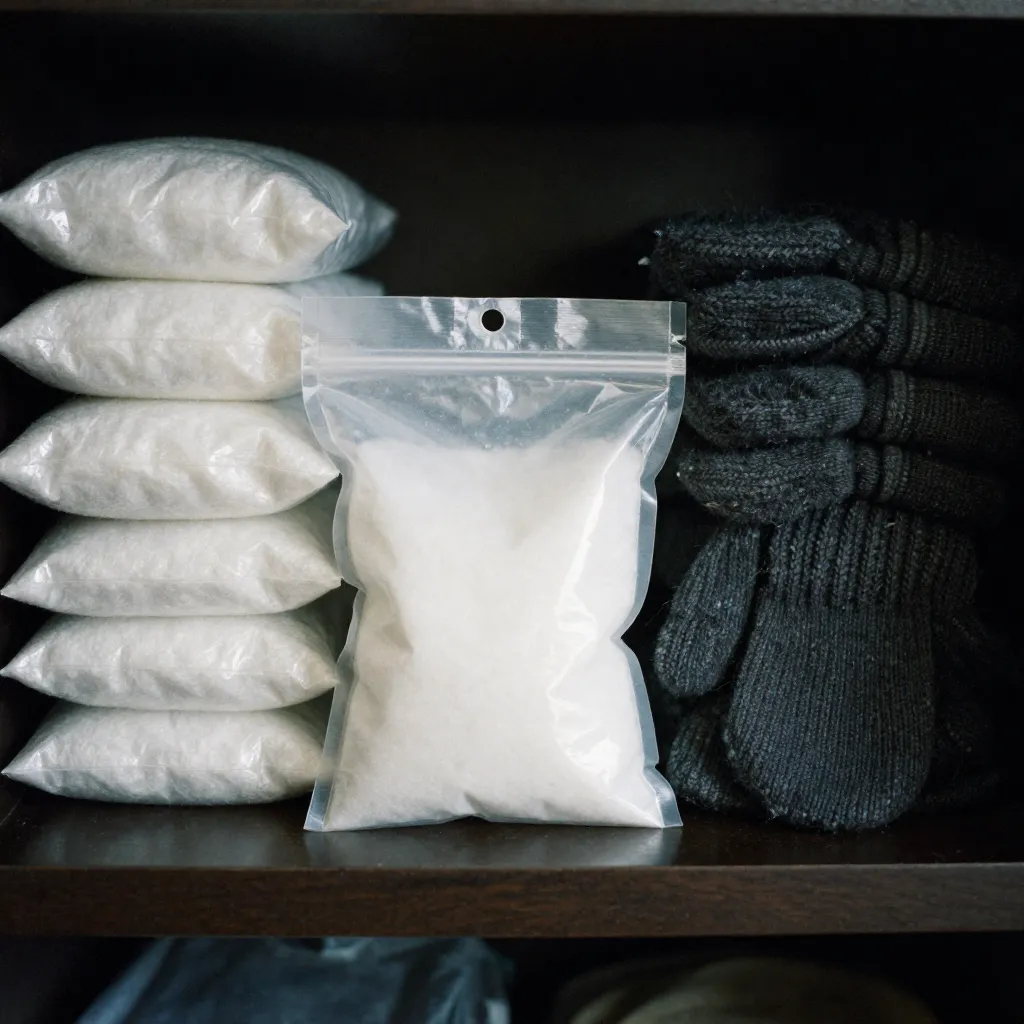
Wool fibers have a unique structure that allows them to absorb and release moisture. When you wear a wool garment, the fibers stretch slightly and absorb moisture from your body and the environment. This is especially pronounced in humid conditions like Finnish winters.
During the resting period, wool fibers naturally return to their original shape as moisture evaporates. This recovery process is essential for maintaining the garment's fit, appearance, and longevity. Without adequate rest, fibers can become permanently stretched or damaged.
The 24-hour rest period allows fibers to fully recover. In humid conditions, this process may take longer, making rest periods even more important for maintaining wool garments.
Wool Rest Timer
Track when your wool garment will be ready to wear again:
Hours until ready
Your wool garment is resting. Allow it to recover fully before wearing again.
Why 24 Hours Matters
Fiber Recovery
Wool fibers need time to return to their natural shape after being stretched during wear. The 24-hour period allows complete recovery, preventing permanent deformation.
Moisture Evaporation
Wool absorbs moisture from both your body and the environment. During rest, this moisture evaporates naturally, allowing the fibers to dry completely.
Odor Prevention
Proper resting allows wool to release absorbed odors naturally. This reduces the need for frequent cleaning, which can damage fibers over time.
Shape Retention
Regular rest periods help wool garments maintain their original fit and appearance. This is especially important for fitted garments like sweaters and socks.
Best Practices for Wool Resting
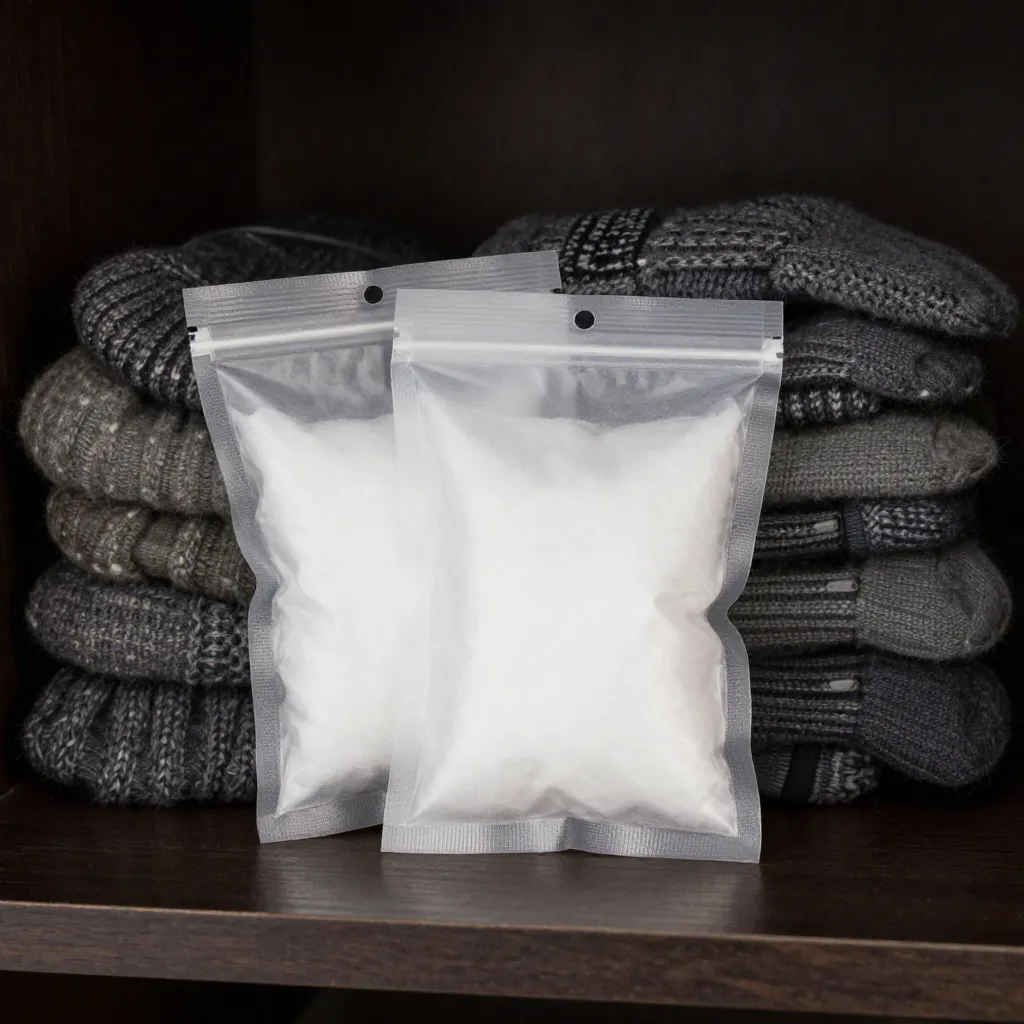
Proper Hanging: Hang garments on appropriate hangers that support their shape. Avoid wire hangers that can cause stretching. Use padded hangers for sweaters.
Air Circulation: Ensure garments have space around them for air to circulate. Don't pack wool items tightly together during rest periods.
Temperature: Rest wool garments at room temperature. Avoid placing them near heat sources, which can cause rapid moisture loss and fiber damage.
Rotation System: Maintain multiple wool garments so you can rotate them, ensuring each gets adequate rest between wears.
Humidity Awareness: In high humidity conditions, extend rest periods. Consider using a dehumidifier in storage areas if humidity consistently exceeds 60%.
Rest Period Guidelines
Standard Conditions: 24 hours minimum
Humid Conditions (60%+ humidity): 36-48 hours
After Heavy Wear: 48 hours recommended
After Moisture Exposure: Allow complete drying plus 24 hours