The Pest-Proof Sanctuary
Learn how to create protective storage environments for wool using natural materials. Discover alternatives to plastic that maintain wool's natural properties while preventing pest damage.
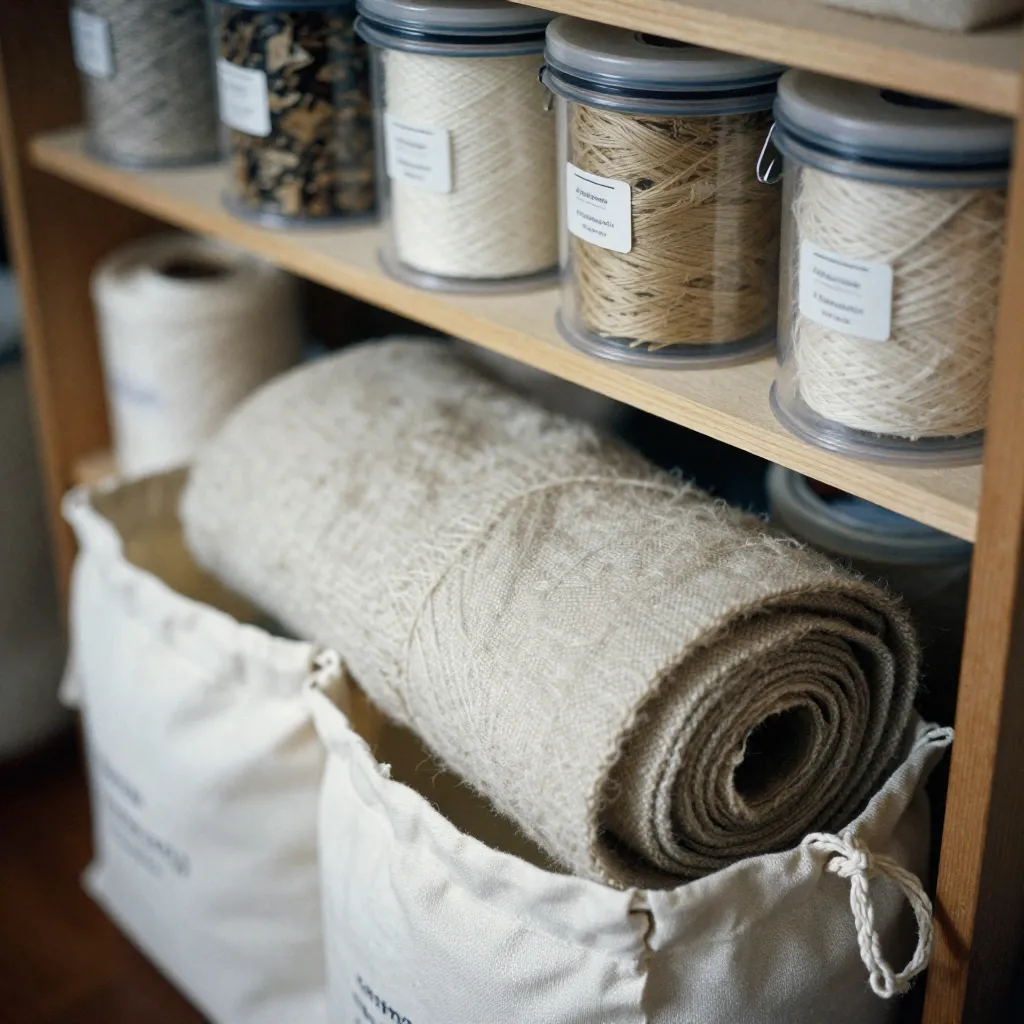
Natural Storage Materials
Cedar Wood
Cedar naturally repels moths and other pests while allowing wool to breathe. Use cedar planks, blocks, or chips in storage areas. The aromatic oils in cedar create a protective barrier without chemicals.
Dried Spruce Tips
Dried spruce tips from Finnish forests provide natural pest deterrent properties. Place small bundles in storage containers or hang them near wool garments. They release subtle protective compounds over time.
Linen Bags
Unlike plastic, linen allows wool to breathe while providing protection. Natural linen bags prevent dust accumulation and allow air circulation, preventing moisture buildup that can damage fibers.
Storage Solutions by Space Type
Attic Storage
Characteristics: Unheated, dry environment with temperature fluctuations.
Recommended Approach: Use cedar-lined chests or boxes. Wrap garments in linen bags before placing in storage. Add dried spruce tip bundles for extra protection. Ensure good air circulation by not overpacking containers.
Cellar Storage
Characteristics: Cool, potentially humid environment.
Recommended Approach: Use breathable linen bags with cedar chips inside. Avoid direct contact with walls or floors. Consider raised storage platforms. Monitor humidity levels and ensure ventilation. Add extra spruce tips for moisture control.
Heated Wardrobe
Characteristics: Indoor, temperature-controlled environment.
Recommended Approach: Use cedar hangers and drawer liners. Store garments in linen garment bags. Place cedar blocks or chips in drawers and on shelves. This space requires less intensive protection but benefits from natural materials.
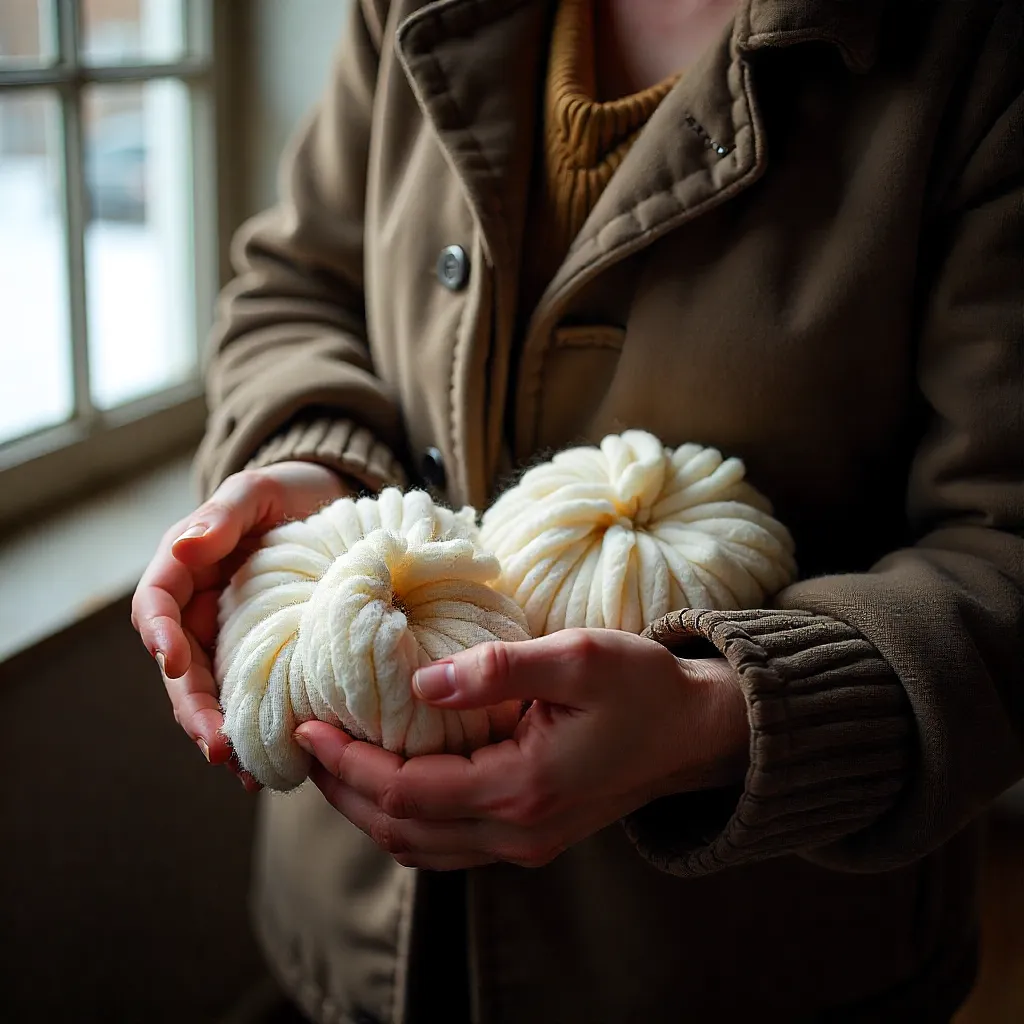
Maintenance Tips
Refresh Cedar: Sand cedar blocks or planks annually to renew their protective oils. Replace cedar chips every 6-12 months.
Replace Spruce Tips: Dried spruce tips should be replaced annually or when they lose their aromatic properties.
Clean Linen Bags: Wash linen storage bags annually in cool water and air dry. This removes accumulated dust and maintains breathability.
Regular Inspection: Check stored garments every few months for signs of pests or moisture. Early detection prevents damage.